


The Cost of Building a Patio in 2025: What to Expect in Alabama
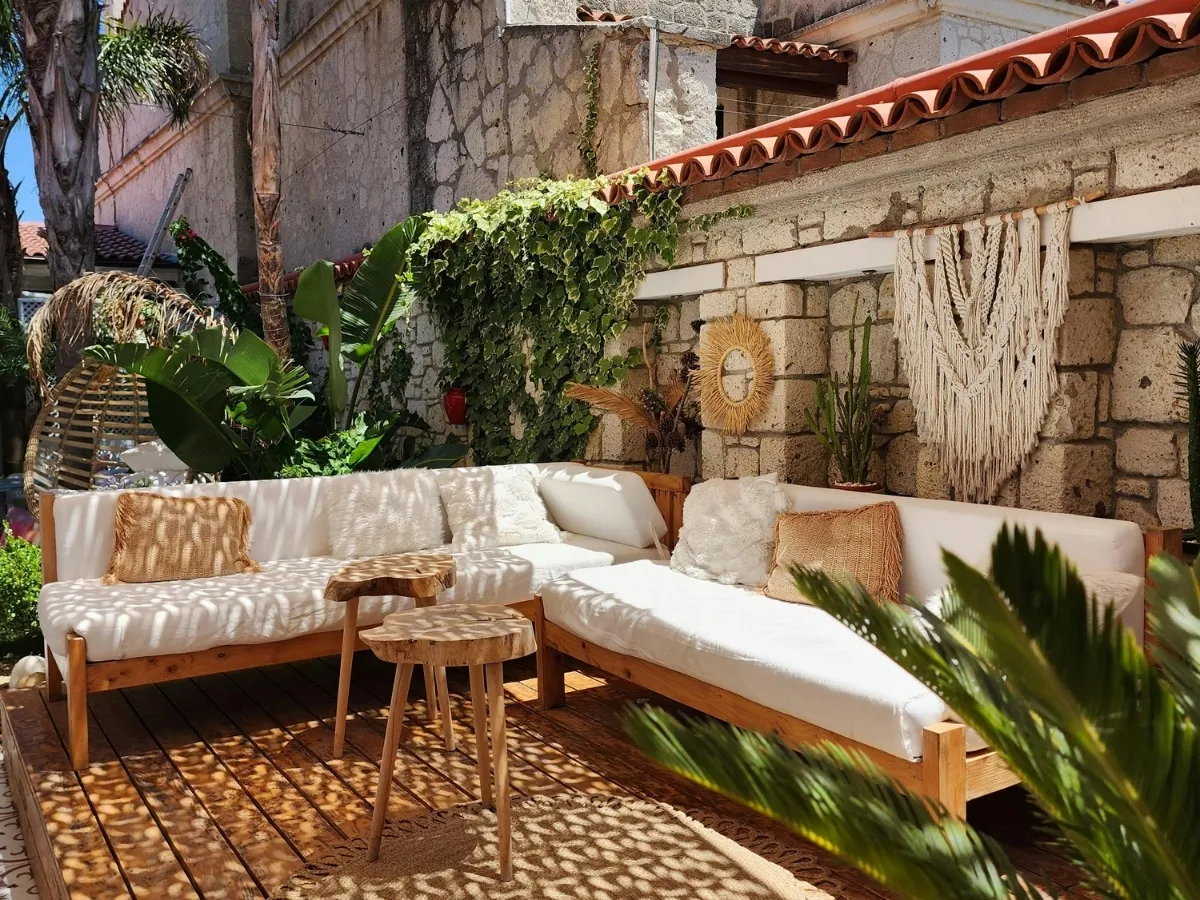
If you’re thinking about the cost of building a patio in 2025, you’re not alone. Many Alabama homeowners are planning outdoor upgrades and want a clear sense of what to expect before they invest. A patio boosts outdoor living, adds value to your home, and creates a space where family and friends can gather comfortably. At Red Branch Construction, we want Alabama homeowners to feel confident about budgeting for their outdoor projects. Patio prices can vary widely depending on size, materials, labor, design details, and site conditions. In this guide, we’ll walk through realistic 2025 cost expectations, what influences price, and how you can plan effectively for your project. Understanding these factors helps you make smart decisions and get the patio you want without surprises. Let’s break down what goes into the cost of building a patio in 2025 in Alabama.
What Affects the Cost of Building a Patio in 2025
The cost of building a patio in 2025 depends on several important factors that influence both materials and labor. Understanding these elements in advance helps homeowners plan a realistic budget, compare contractor estimates accurately, and avoid unexpected costs or project delays. While no two patios are the same, the following factors consistently play the biggest role in determining final pricing.
Size of the Patio
The overall size of your patio directly impacts cost. Larger patios require more materials, longer installation time, and increased labor. Even small increases in square footage can significantly affect the total price, especially when premium materials or detailed designs are involved.
Material Selection
Material choice is one of the most influential cost factors. Basic concrete patios are typically more affordable, while pavers, natural stone, or stamped concrete increase both material and labor expenses. Durability, appearance, maintenance needs, and availability in 2025 can also affect pricing, especially as material costs fluctuate.
Site Preparation Needs
Site conditions can greatly influence patio costs. Uneven ground, poor drainage, tree roots, or existing structures may require excavation, grading, or soil stabilization. The more preparation required, the higher the overall cost, but proper site prep is essential for long-term performance and safety.
Labor Costs in Your Area
Labor rates vary by region and local demand. In 2025, skilled labor remains a major cost factor due to ongoing demand for experienced contractors. Hiring qualified professionals ensures quality workmanship but may come at a higher upfront cost compared to inexperienced labor.
Design Complexity
Simple patio designs are generally more affordable. Curves, multiple levels, intricate patterns, or custom layouts require additional planning, materials, and installation time. The more detailed the design, the higher the labor and craftsmanship costs.
Permits and Inspections
Many patio projects require permits and inspections, depending on location and design. Permit fees, inspection costs, and time delays associated with approvals can add to the overall budget. Reputable contractors factor these requirements into their estimates to avoid surprises.
Add-Ons and Features
Optional features significantly affect patio pricing. Elements such as fire pits, seating walls, pergolas, outdoor kitchens, lighting, and drainage systems add both material and labor costs. While these features increase the investment, they also enhance functionality and long-term value.
Planning for a Smart Investment
Each of these factors plays a role in your total patio investment. By understanding what drives costs and discussing priorities with your contractor early, you can make informed decisions that balance budget, design, and durability, resulting in a patio that meets your needs and performs well for years to come.
Patio Size Has a Big Influence on Cost
The size of your patio is one of the most important factors when estimating the cost of building a patio in 2025. Larger patios require more materials, more labor, and often more planning and site work. Here’s a simple example:
- Small Patio (10 x 10 feet) – Ideal for small seating areas
- Medium Patio (12 x 16 feet) – Great for dining areas and furniture
- Large Patio (16 x 20 feet or more) – Perfect for outdoor kitchens or entertainment spaces
The more square footage you add, the higher the cost. In Alabama, labor and materials are usually priced per square foot, so you can use patio size as a baseline for your budget.
Material Selection Changes Your Price
Material choice has one of the biggest impacts on the cost of building a patio in 2025. Some options are budget-friendly and practical, while others are considered premium upgrades that add visual appeal and long-term value. Understanding the differences helps homeowners choose materials that align with both their budget and design goals.
Concrete
Concrete remains one of the most popular patio materials because it balances affordability with durability. Basic poured concrete is typically the most cost-effective option, while decorative upgrades such as stamping, staining, or coloring can elevate its appearance to resemble stone or tile. Concrete is an excellent choice for homeowners seeking reliability without a high upfront investment.
- Pros: Cost-effective, durable, easy to maintain
- Cons: Can crack without proper installation
Pavers
Pavers offer greater design flexibility and visual interest. Available in various shapes, sizes, and colors, they allow for custom patterns and layouts. While more expensive than plain concrete, pavers provide practical long-term benefits. Pavers are ideal for homeowners who want a balance of durability and design.
- Pros: Attractive, can be replaced individually
- Cons: Typically costs more than plain concrete
Natural Stone
Natural stone patios deliver a high-end, timeless appearance that’s difficult to replicate. Popular options such as flagstone or slate create a unique look, but the premium materials and specialized labor significantly increase costs. Natural stone is best suited for homeowners prioritizing luxury and long-term aesthetic value.
- Pros: High end look, durable
- Cons: Expensive, may require additional labor
Brick
Brick patios provide a classic, traditional look that complements many architectural styles. While more affordable than natural stone, brick typically costs more than basic concrete due to material pricing and installation requirements.
- Pros: Classic aesthetic, long lasting
- Cons: Higher cost per square foot
Brick is a strong choice for homeowners seeking character and durability with a traditional feel. Each material directly affects how much you should plan to spend on the cost of building a patio in 2025. By weighing upfront costs against durability, maintenance, and visual appeal, homeowners can select a patio material that delivers the best value for their investment.
Site Preparation and Grading Costs
Before patio materials go down, the site needs preparation. If the land is uneven, sloped, or has roots or debris, additional work is required. Site preparation includes:
- Clearing vegetation
- Leveling ground
- Adding base material like gravel
- Grading for proper drainage
Site preparation adds to the total cost, but skipping it can cause future issues like water pooling, shifting pavers, or cracking concrete. Proper preparation improves patio life and performance.
Labor Costs in Your Area
Labor is one of the largest contributors to the cost of building a patio in 2025. In Alabama, labor rates vary based on local demand, contractor experience, and the overall complexity of the project. While lower bids may seem appealing, they often reflect shortcuts in preparation or installation that can lead to costly repairs later. When you work with experienced professionals like Red Branch Construction, you’re investing in quality craftsmanship and proven processes, including:
- Expert grading and base installation to prevent settling and shifting
Precise material placement for a clean, polished appearance - Correct drainage slope to manage water runoff and protect the structure
- Reliable jobsite safety and thorough cleanup for a smooth, professional experience
Choosing a reputable contractor ensures your patio is built to last. While skilled labor may cost more upfront, it reduces the risk of cracking, drainage issues, and premature failure, saving money over the long term.
Design Complexity Matters
Not all patios are simple rectangles, and more intricate designs require additional planning, labor, and craftsmanship. Features such as curves, multiple levels, or custom layouts significantly influence the cost of building a patio in 2025. Design elements that typically increase cost include:
- Rounded edges or custom shapes that require precise cutting and layout
- Decorative inlays and patterns in pavers or natural stone
- Stair steps or elevation transitions to accommodate sloped terrain
- Integrated lighting or built-in seating for added functionality and style
The more detailed the design, the more time and expertise are required to execute it correctly. While this increases the overall cost, it also results in a highly customized, visually striking outdoor space that enhances usability and property value.
Expected Price Ranges in Alabama for 2025
While prices vary by region and contractor, the following ranges reflect what many homeowners can expect in Alabama for the cost of building a patio in 2025.
Basic Concrete Patio
- Range: $8 to $15 per square foot
- Best for small to midsize patios and simple designs.
Decorative Concrete or Colored/Stamped
- Range: $15 to $25 per square foot
- Offers aesthetic upgrades with still reasonable pricing.
Paver Patio
- Range: $20 to $30 per square foot
- A popular choice for patios with more style and longevity.
Natural Stone Patio
- Range: $25 to $40+ per square foot
- Premium material with timeless appeal.
Brick Patio
- Range: $18 to $28 per square foot
- Classic and durable, with design flexibility.
These numbers include typical labor and material costs, but final pricing still depends on your specific site conditions and features. Keep in mind: the cost of building a patio in 2025 may change slightly with market trends in labor, materials, and supply availability. Planning ahead and getting multiple estimates helps you compare and budget wisely.
Ways to Save on Patio Costs
Even with rising construction prices, homeowners can manage patio costs effectively without sacrificing durability or appearance. Smart planning and informed decisions help keep the cost of building a patio in 2025 within budget while still delivering a high-quality outdoor space.
1. Start With a Clear Plan
Having a well-defined plan from the beginning helps prevent costly changes once construction is underway. Last-minute design revisions, material swaps, or feature additions can increase labor time and material waste. A clear plan allows contractors to provide accurate estimates and keeps the project on schedule.
2. Choose Simple Shapes
Simple patio layouts are more cost-effective. Straight lines and rectangular designs require less cutting, fewer materials, and less labor than curved edges or intricate shapes. While complex designs can be visually appealing, simpler layouts often deliver the best value for budget-conscious homeowners.
3. Prioritize Materials
Instead of choosing the cheapest material upfront, focus on options that provide long-term value. Durable materials with lower maintenance requirements may cost slightly more initially but reduce repair and replacement expenses over time. This approach protects your investment and minimizes future costs.
4. Bundle Features
Incorporating features like lighting, built-in seating, or fire pits during the initial build is usually more cost-effective than adding them later. Retrofitting often requires additional labor and disruption. Planning features early ensures better integration and lower overall cost.
5. Schedule in the Off-Peak Season
Construction demand fluctuates throughout the year. Scheduling your patio project during slower seasons can sometimes lead to better availability and potential cost savings. Flexibility with your contractor’s timeline may reduce labor costs and shorten wait times. Thoughtful planning, simple design choices, and strategic scheduling help reduce surprises and keep the cost of building a patio in 2025 manageable. By focusing on value rather than shortcuts, homeowners can achieve a patio that looks great, performs well, and stays within budget.
How to Get Accurate Patio Estimates
Getting multiple quotes helps you compare costs and contractor experience. When asking for estimates, make sure:
- The quote includes labor, materials, and site prep
- Permits and inspections are accounted for
- Add-ons and custom features are itemized
- Timeline expectations are clear
Avoid choosing solely on price. Unusually low bids may mean shortcuts, inexperienced crews, or low-quality materials. Trustworthy patio contractors like Red Branch Construction provide transparent, itemized proposals so you understand exactly what you’re paying for.
Permits, Codes, and Neighborhood Rules
Before building, check whether your city or homeowners association (HOA) has specific rules about patios. Some HOA communities have:
- Design standards
- Setback requirements
- Material or color restrictions
Factor these into your plan so you avoid costly revisions after construction begins. A well-built patio can last decades with proper care. Choosing quality materials and expert workmanship may cost more upfront, but it often pays off in durability and curb appeal. Many homeowners see a strong return on investment when:
- The patio enhances outdoor living space
- The design feels intentional and cohesive with the home
- Durable materials reduce future repair costs
Why Work With a Professional Patio Builder
Building a patio involves far more than laying materials on the ground. Proper construction requires technical knowledge, planning, and experience. Licensed and experienced professionals like Red Branch Construction understand how to approach each project correctly from the start. A professional patio builder knows how to:
- Evaluate soil and site conditions to determine the right foundation approach
- Choose proper base materials that prevent shifting and settling
- Install the patio with the correct slope to ensure effective drainage and prevent water pooling
- Avoid common mistakes that lead to future repairs
These details may not be immediately visible, but they directly affect how your patio performs over time. A patio built correctly from the beginning reduces the need for future repairs, replacements, and maintenance. While professional installation may require a higher upfront investment, it protects your property and saves money in the long run. Quality workmanship ensures your patio remains safe, functional, and visually appealing for years to come.
Final Thoughts
Understanding the cost of building a patio in 2025 helps you plan with confidence and avoid surprises. Patio prices vary based on size, materials, site preparation, labor, design, and extras. By knowing what influences cost and what ranges to expect in Alabama, you can make informed decisions that fit your lifestyle and budget. Your patio should feel like a natural extension of your home, comfortable, durable, and beautiful. With thoughtful planning and trusted professionals, you’ll enjoy outdoor living for years to come. If you’re ready to explore patio options and want clear, accurate pricing for your 2025 project, Red Branch Construction is here to help. We bring local experience, craftsmanship, and open communication to every job, and we would love to help you build a patio that meets your goals and budget.